The Science
The Evidence Behind It
Every protocol maps to established neuroscience & psychology, not a wellness trend.
Three Systems, One Method
NeuroAtlas brings neuroscience and psychology together to understand how stress affects the way you feel, think and respond. Its interventions are built around three core mechanisms: regulating the nervous system, strengthening cognitive and emotional control, and reinforcing healthier response patterns over time.
Autonomic Regulation
Calm the stress response.
Uses breathing, pacing and sensory techniques to help shift the nervous system away from heightened arousal and towards a more regulated state.
Prefrontal-Limbic Control
Neuroplastic Conditioning
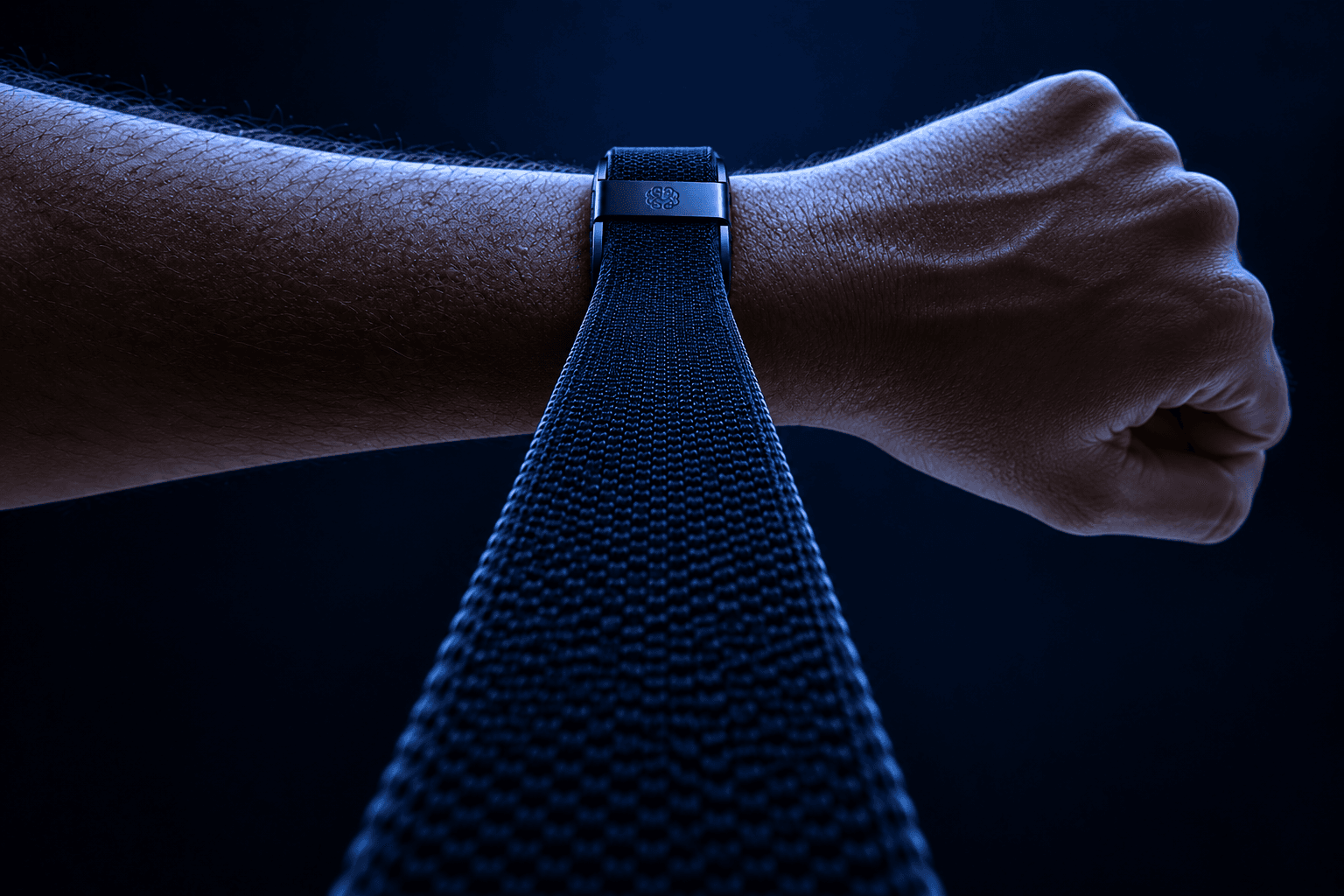
Your Body Keeps Receipts.
You can tell yourself you’re fine. Your nervous system may have other ideas. HRV is one of the quieter clues your body gives you. Viewed against your own baseline, it can reveal when your system is carrying more strain, or when it’s finally getting the recovery it needs.
The Limits Of Wearables
More data was never the point. Knowing what to do with it is.
Most wearables leave you with charts, scores and another number to think about. NeuroAtlas gives those signals a job: helping you understand when something is shifting, why it matters, and what you can do next.
Built With Evidence
Behind every NeuroAtlas tool is a body of research. We draw from neuroscience, psychology and peer-reviewed work on stress, attention, emotional regulation and recovery, then turn that science into something you can actually use.
Guided By Experts
NeuroAtlas brings scientific thinking into the everyday experience of understanding and managing stress.
Autonomic Regulation
Slow, paced breathing can support parasympathetic activity and increase vagally mediated HRV — helping the body move towards a more regulated state.
Backed by: Laborde et al., 2022 · Systematic Review & Meta-Analysis
Prefrontal-Limbic Control
Helps support the brain systems that let you pause before reacting, regulate emotional intensity and make more deliberate decisions under pressure.
Backed by: Buhle et al. (2014) · Meta-Analysis
Neuroplastic Conditioning
Repeated practice helps the brain become more efficient at the responses you train. Over time, regulation and recovery can become more familiar, more automatic and easier to access.
Backed by: Gotink et al. (2016) · Systematic Review
Composure Isn’t A Personality Trait. It’s Trained.
References
Autonomic Regulation
Laborde S. et al. (2022). Effects of voluntary slow breathing on heart rate and heart rate variability: A systematic review and meta-analysis. Neuroscience & Biobehavioral Reviews, 138, 104711.
Prefrontal-Limbic Control
Buhle, J. T., Silvers, J. A., Wager, T. D., Lopez, R., Onyemekwu, C., Kober, H., Weber, J., & Ochsner, K. N. (2014). Cognitive reappraisal of emotion: A meta-analysis of human neuroimaging studies. Cerebral Cortex, 24(11), 2981–2990.
Neuroplastic Conditioning
Gotink, R. A., Meijboom, R., Vernooij, M. W., Smits, M., & Hunink, M. G. M. (2016). 8-week Mindfulness Based Stress Reduction induces brain changes similar to traditional long-term meditation practice: A systematic review. Brain and Cognition, 108, 32–41.